
Short Introduction
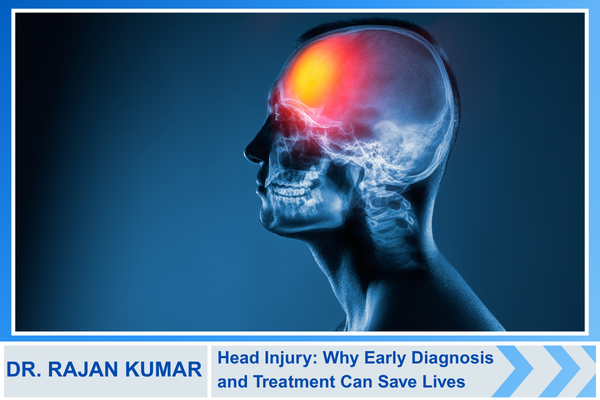
A head injury can range from a minor bump on the head to a serious traumatic brain injury that requires immediate medical attention. Head injuries are among the leading causes of emergency hospital visits and can result from road traffic accidents, falls, sports injuries, workplace accidents, or physical trauma.
While some head injuries may appear minor initially, serious complications such as bleeding inside the brain can develop hours after the injury. Prompt evaluation and timely treatment are crucial to prevent permanent neurological damage and improve recovery outcomes.
Under the expert care of Dr. Rajan Kumar, patients receive comprehensive assessment and advanced neurosurgical treatment for head injuries and other complex brain disorders.
What is the Condition?
A head injury refers to any trauma affecting the scalp, skull, brain, or surrounding tissues. The severity can range from mild concussions to life-threatening brain injuries.
Common Types of Head Injuries
Concussion
A mild traumatic brain injury caused by a sudden blow or jolt to the head.
Skull Fracture
A break in one or more bones of the skull.
Intracranial Hemorrhage
Bleeding within or around the brain that can increase pressure on brain tissue.
Contusion
A bruise on the brain caused by direct impact.
Diffuse Axonal Injury
A severe brain injury caused by rapid movement of the brain within the skull.
Common Causes
- Road traffic accidents
- Falls from height
- Sports injuries
- Workplace accidents
- Physical assault
- Household accidents
- Bicycle or motorcycle crashes
When Should You Seek Treatment?
Any significant head injury should be evaluated by a medical professional, especially if symptoms develop or worsen.
Warning Signs That Require Immediate Medical Attention
- Loss of consciousness
- Persistent or worsening headache
- Repeated vomiting
- Dizziness or balance problems
- Confusion or disorientation
- Difficulty speaking
- Blurred or double vision
- Seizures
- Weakness or numbness in the arms or legs
- Unequal pupil size
- Excessive drowsiness
- Memory loss
- Clear fluid leaking from the nose or ears
Emergency Symptoms
Seek urgent medical care immediately if the injured person:
- Becomes unconscious
- Experiences seizures
- Shows signs of paralysis
- Has difficulty breathing
- Becomes increasingly confused or unresponsive
Why is Treatment Recommended?
Prompt diagnosis and treatment can significantly reduce the risk of serious complications.
Benefits of Early Treatment
Prevention of Brain Damage
Early intervention helps reduce pressure on the brain and prevent permanent injury.
Detection of Hidden Bleeding
Advanced imaging can identify dangerous bleeding that may not be immediately obvious.
Improved Recovery Outcomes
Timely treatment often leads to better neurological recovery.
Prevention of Complications
Early management reduces the risk of seizures, stroke, and long-term disability.
Preservation of Brain Function
Rapid treatment helps protect memory, speech, movement, and cognitive function.
Treatment Options
Depending on the severity of the injury, treatment may include:
- Observation and monitoring
- Medications
- Intensive care management
- Rehabilitation therapy
- Minimally invasive neurosurgical procedures
- Emergency brain surgery for bleeding or swelling
Risks and Complications
Untreated or severe head injuries can lead to serious complications.
Potential Complications
- Brain swelling
- Intracranial bleeding
- Seizures
- Stroke
- Memory problems
- Cognitive impairment
- Speech difficulties
- Paralysis
- Personality changes
- Persistent headaches
- Coma
- Permanent neurological disability
Long-Term Effects
Some patients may experience:
- Difficulty concentrating
- Mood changes
- Sleep disturbances
- Balance problems
- Chronic headaches
- Post-concussion syndrome
Early specialist care significantly improves the chances of recovery.
Frequently Asked Questions (FAQ)
What should I do immediately after a head injury?
Seek medical evaluation, especially if there was loss of consciousness, vomiting, severe headache, or confusion. Avoid driving or strenuous activity until assessed by a healthcare professional.
Is every head injury serious?
No. Many head injuries are minor. However, even mild injuries can occasionally lead to serious complications, making medical evaluation important.
How is a head injury diagnosed?
Diagnosis may involve a neurological examination, CT scan, MRI, and observation of symptoms.
What is a concussion?
A concussion is a mild traumatic brain injury caused by a blow or jolt to the head. Symptoms may include headache, dizziness, confusion, and memory difficulties.
When is surgery needed for a head injury?
Surgery may be required if there is significant bleeding, swelling, skull fracture, or increased pressure on the brain.
How long does recovery take?
Recovery depends on the severity of the injury. Mild injuries may recover within days or weeks, while severe injuries may require months of rehabilitation.
Can head injuries have long-term effects?
Yes. Some individuals may experience ongoing symptoms affecting memory, concentration, mood, or physical function.
About Dr. Rajan Kumar
Dr. Rajan Kumar
MBBS, MS, MCh (Neurosurgery-SGPGI)
Fellow – Minimal Brain & Spine Surgery
Ex-SR SGPGI, Lucknow
Ex-SR GTB Hospital, New Delhi
Consultant Brain & Spine Surgeon
Dr. Rajan Kumar specializes in the diagnosis and treatment of brain and spine disorders, traumatic brain injuries, neurotrauma, brain tumors, spinal conditions, and minimally invasive neurosurgical procedures. With extensive experience in advanced neurosurgical care, he is dedicated to providing evidence-based treatment and compassionate care to achieve the best possible outcomes for his patients.
Call to Action (CTA)
A head injury should never be ignored. Early diagnosis and prompt treatment can make a critical difference in preventing complications and protecting brain function.
If you or a loved one has experienced a head injury, seek expert evaluation from Dr. Rajan Kumar. Timely assessment and advanced neurosurgical care can help ensure the best possible recovery and long-term neurological health.